Insights / Trade
Structure your content for the next market
A clear content model helps a website grow from a few pages into a useful catalogue, a multilingual presence or a connected sales tool.
When content lives in copied pages and disconnected documents, each update becomes a small investigation. Which description is current? Where is the approved image? Who updates the translated version?
Separate the information from the page
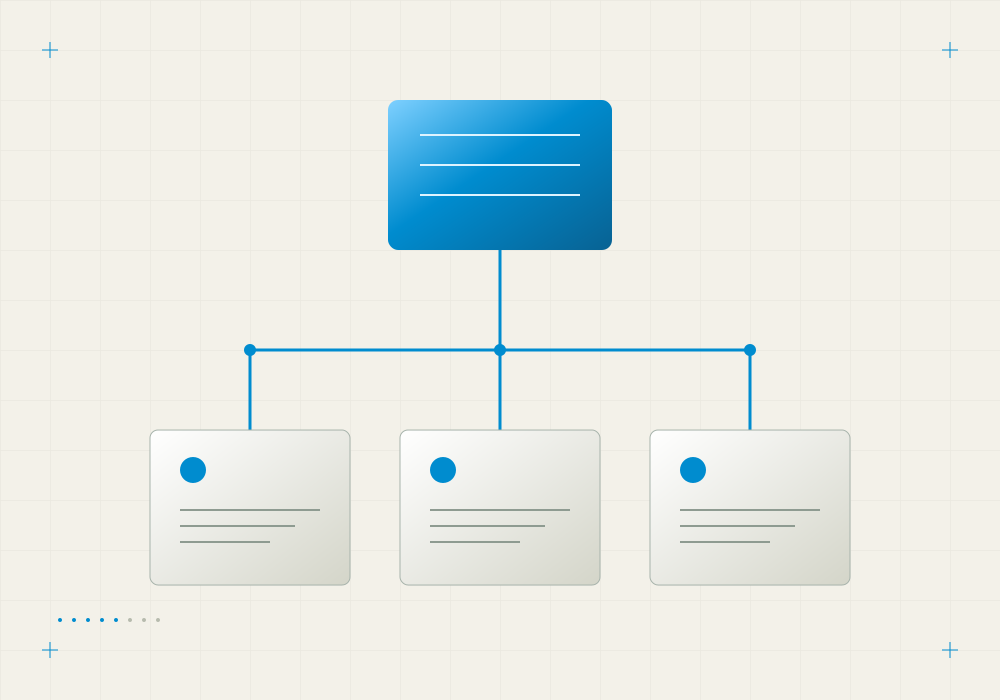
Start with the things your business needs to describe: services, products, projects, locations or people. Define the information each needs, then decide how it appears. A product might need a name, category, specification, available documents and a clear inquiry route.
Plan for differences between markets
A new market can change more than language. Audiences may need different product information, units, contact routes or platform experiences. Identify what should be shared and what needs a local version.
- Keep a consistent identifier for each product or service.
- Assign ownership for source content and each translation.
- Agree which fields are required before publishing.
- Make revision and approval steps visible to the people doing the work.
Test one realistic example
Before building the whole catalogue, take one complicated item through the process: create it, translate it, update it and retire it. The awkward steps reveal where the structure needs work.
AFROBYTE’s ECOcero WeChat Mini Program shows a bilingual product catalogue in a platform-specific setting. If your next step crosses languages or channels, start with the content and the technology it needs.
Revision notes
-
7 Oct 2026
Updated with practical guidance connecting design, technology and business needs. Original publication date retained.